
Solana token tracking rarely feels this fast or messy. Whoa! Here’s what bugs me about token trackers on Solana. Even though block explorers promise transparency and real-time feeds, the reality is a tangle of tokens with similar names, confusing programs, and UX quirks that hide important metadata unless you know where to look. So when a tracker actually nails clarity it matters.
Token provenance is essential for both traders and developers. Really? The challenge is getting from a token address to the full story quickly. That full story includes metadata hosted off-chain, verified collections, royalties settings, and the small transfers that often precede big rug pulls, and those require a different UI mindset. Solana’s parallelized runtime makes this both fast and noisy.
Solscan and similar explorers aim to be that connective tissue. Whoa! Initially it seemed they were just tables of transactions, but the evolution toward token-level tracking changed expectations. Actually, wait—let me rephrase that: early explorers were tables, yes, though modern versions push links between a mint, its metadata URI, associated marketplaces, and the history of transacting wallets so you can spot odd flows without needing to dump everything into a notebook. That shift is subtle but very very important.
Here’s what bugs me about some token trackers. Here’s the thing. They expose transactions but bury the context: who minted, what contract called the transfer, and whether that mint was verified. Okay, so check this out—if a tracker surfaces contract logs, decodes instruction data, and links those to labeled wallets, you can triangulate intent; that is, whether a transfer is a simple sale, a programmatic swap, or a liquidity movement across AMMs. Those signals let you triage transactions without losing your mind.
Practical token-tracking checklist
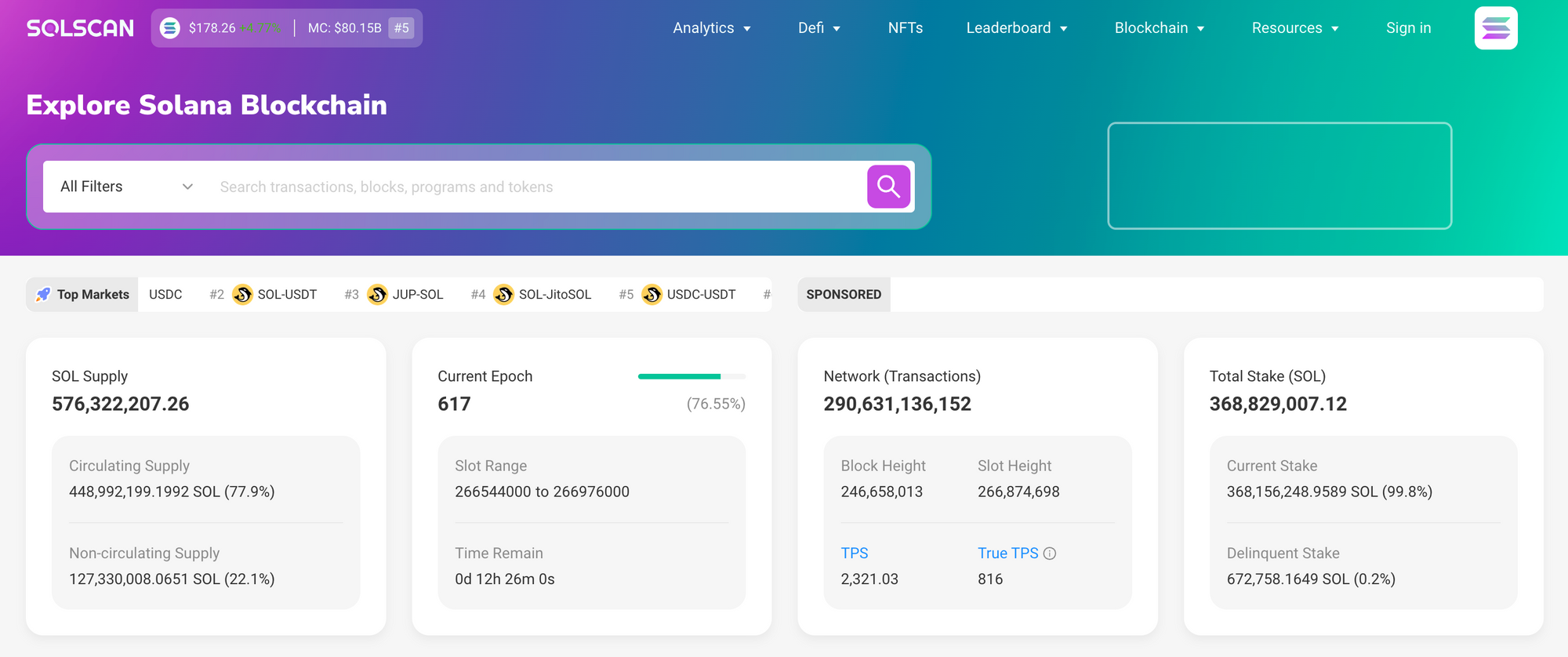
Use three quick checks before trusting a token: metadata linkage, recent transaction patterns, and program call labels. Seriously? If those line up, you avoid the obvious fakes and the lookalike mints that prey on inattentive traders. For US-based users who trade late at night and scan blocks for arbitrage opportunities, having a reliable explorer that also decodes Serum or Raydium instructions is a time saver and risk reducer that feels like a backstop for sleep-deprived decision making. A handy starting point is the solscan explorer official site which often combines token pages with decoded tx views and simple labels for recent transfers.
Deep dive: reading SOL transactions
Hmm… I’m not 100% sure, but community feedback suggests explorers oscillate between feature bloat and essential clarity. On one hand some add charts, portfolio views, NFT galleries, and the kitchen sink which can be useful for power users; though actually, on the other hand, those additions sometimes obscure the transaction-level signals you need for quick triage. If you want clean token forensics, keep your tools lean and your queries focused.
Reading transaction logs shows not just transfers but which program executed, rent-exempt calculations, and any invoked CPI calls. Wow! This level of detail is gold when investigating token movements or debugging complex transfers. Practically speaking, filter for “program” fields and watch for repeated small transfers leading into a single large withdraw, since that pattern often flags scripted siphons.
FAQ
How can I tell a token is legitimate?
Check that the mint links to verifiable metadata and a recognized collection, and then scan recent transfers for organic-looking activity rather than a sudden burst of identical small txs. Look for verified collection badges and cross-check creator addresses if possible (oh, and by the way… sometimes you need to dig into the metadata URI to see hosting details).
What about privacy and labeled wallets?
Labels are helpful but not infallible; they come from heuristics and community contributions, so treat them as signals not gospel. I’m biased, but use labels as a starting point and follow the on-chain breadcrumbs to confirm somethin’ feels right before acting.